Veteran's Addiction & Mental Health Treatment Program
Comprehensive Veterans Addiction & Mental Health Treatment Program: Effective Care for Recovery and Support
By Dararoth Lam, PMH, NP, Hope & Healing Addiction Treatment Centers, Mesa, AZ
Veterans face unique challenges when it comes to addiction and mental health, often stemming from their service experiences. The Veterans Addiction and Mental Health Treatment Program is designed to address these specific needs, providing tailored support for issues such as va substance abuse disorders, PTSD, Anxiety, and Depression. This article explores the various treatment modalities, support services, and expected outcomes of these programs, highlighting how they can facilitate recovery and improve the quality of life for veterans. By understanding the key components of these treatment programs, veterans and their families can make informed decisions about their care options.
Key Takeaways
The Veterans Addiction and Mental Health Treatment Program offers tailored care addressing PTSD, substance abuse, anxiety, and depression.
Evidence-based therapies like CBT, EMDR, and medication-assisted treatment support comprehensive veteran recovery.
Trauma-informed care recognizes veterans' unique experiences and improves treatment engagement and outcomes.
Support services including family counseling, life skills development, and relapse prevention enhance recovery success.
Dual diagnosis treatment integrates mental health and substance use disorder care for more effective outcomes.
Culturally competent care respects Native veterans' identities and incorporates holistic healing practices.
Enrollment involves confidential consultation, pre-assessment, and insurance review to personalize treatment plans.
Aftercare and community support resources are essential for maintaining sobriety and long-term recovery.
Gender-sensitive programs address unique challenges faced by female veterans, including military sexual trauma.
Treatment Modalities

The treatment modalities available for veterans rehab encompass a range of evidence-based approaches aimed at addressing both addiction and mental health issues. These include:
Trauma-Informed Care: This approach recognizes the impact of trauma on an individual's mental health and recovery process, ensuring that treatment is sensitive to the needs of veterans.
Dual Diagnosis Treatment: This method addresses both substance use disorders and co-occurring mental health conditions, providing comprehensive care that improves overall outcomes.
Cognitive Behavioral Therapy (CBT): CBT is a widely used therapeutic approach that helps veterans identify and change negative thought patterns and behaviors associated with their mental health challenges.
Medication-Assisted Treatment (MAT): For safe withdrawal and cravings management.
Military-Specific PTSD Care: Tailored to combat trauma, MST, and post-deployment challenges.
Mind-Body Wellness Therapies: Includes yoga, mindfulness, equine therapy, fitness, nutrition and art to support holistic healing.
Hope and Healing Addiction Treatment Centers, a veteran rehab near me, offers specialized programs that incorporate these modalities, ensuring that veterans receive the most effective care tailored to their unique experiences.
Support Services
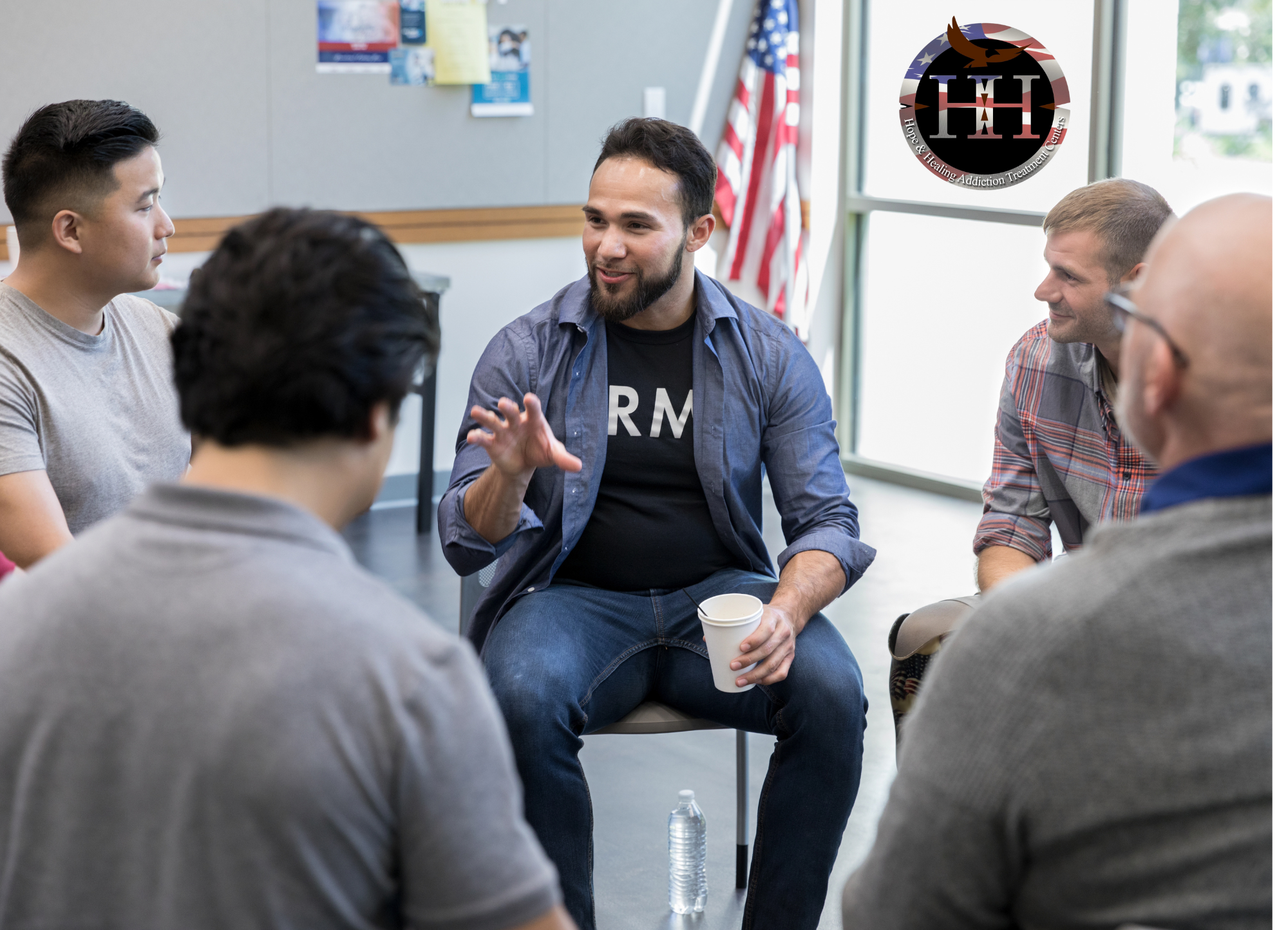
Support services play a crucial role in the recovery journey for veterans substance abuse programs. These services are designed to provide additional resources and assistance, enhancing the overall treatment experience. Key support services include:
Family Counseling: Involving family members in the treatment process can strengthen support systems and improve communication, which is vital for recovery.
Life Skills Development: Programs that focus on building essential life skills help veterans reintegrate into society and manage daily challenges effectively.
Relapse Prevention Programs: These programs equip veterans with strategies to maintain sobriety and avoid triggers that may lead to relapse.
To access these services, veterans can reach out to Hope and Healing Addiction Treatment Centers, which provides a streamlined enrollment process to ensure they receive the support they need at a veterans rehabilitation center near me in Arizona.
What Is the Enrollment Process for Veterans' Treatment Programs?
The enrollment process for veterans seeking addiction and mental health treatment va rehab centers within Community Care Network Region 4 typically involves several key steps:
Confidential Consultation: Veterans begin with a confidential consultation to discuss their specific needs and treatment goals.
Pre-Assessment: A thorough pre-assessment is conducted to evaluate the veteran's mental health and substance use history, ensuring that the treatment plan is tailored to their unique circumstances.
Insurance Review: The program staff will review insurance options to determine coverage and facilitate access to services.
This structured approach ensures that veterans receive personalized care that addresses their individual challenges.
Where Can Veterans Find Support and Contact Information?
Veterans seeking support at veterans rehab centers can contact Hope and Healing Addiction Treatment Centers for more information about available programs. The center provides comprehensive resources and contact details to assist veterans in accessing the care they need. Recovery In Arms: Veterans Addiction & Mental Health Program in Arizona is a va substance abuse program ready to help you heal the trauma, build the recovery and restore the hope. Hope & Healing is Arizona's Best Accredited Drug and Alcohol Addiction Rehab. Call (888) 868-1834 and start the road to recovery.
Providing Evidence-Based Clinical & Holistic Treatments For Veterans
Expected Outcomes
Participating in a Veterans Addiction and Mental Health Treatment Program can lead to several positive outcomes, including:
Improved Mental Health: Veterans often experience significant improvements in their mental health status, including reduced symptoms of PTSD and anxiety.
Sustained Sobriety: Effective treatment programs help veterans achieve and maintain sobriety, reducing the risk of relapse.
Enhanced Quality of Life: Overall, veterans report a better quality of life, with improved relationships and increased engagement in community activities.
These outcomes highlight the importance of specialized treatment programs in supporting veterans' recovery journeys. Hope & Healing Addiction Treatment Centers in Arizona is here to help in a safe, respectful, and structured healing space.
What Are the Key Components of Veterans' Addiction Treatment Programs?
Key components that define effective veterans' addiction treatment programs near me include:
Therapeutic Approaches: Utilizing evidence-based therapies tailored to veterans' experiences.
Support Services: Providing comprehensive support that includes family involvement and life skills training.
Integration with Mental Health Care: Ensuring that mental health services are seamlessly integrated into addiction treatment.
Medication-Assisted Treatment: For safe withdrawal and cravings management.
These components work together to create a holistic approach to recovery.
How Does Trauma-Informed Care Support Veteran Recovery?
Trauma-informed care is essential in supporting veteran recovery by recognizing the profound impact of trauma on mental health. This approach involves:
Further emphasizing the importance of understanding veterans' unique experiences, research highlights the critical role of trauma-informed care in their recovery journey.
Trauma-Informed Care for Veterans: Understanding Unique Needs
As participation in military service has waned since World War II, the experience of United States (US) military Veterans is less understood by the general public. Many Veterans access care in community settings, and some do not self-identify as Veterans. In order to implement trauma-informed services for this worthy population, it is important to understand military culture and the unique needs of Veterans. This chapter reviews unique era of service characteristics for current US Veterans and describes the traumatic and historical experiences of each group. A review of military sexual trauma (MST) and unique aspects of trauma-informed care for homeless and justice-involved Veterans follows. Available services in the Veterans Health Administration are discussed. Clinicians are encouraged to routinely screen for military service among their patient populations.
Trauma-informed care of veterans, MR Gerber, 2019
Understanding Trauma: Acknowledging the prevalence of trauma among veterans and its effects on their mental health.
Key Components of TIC: Implementing practices that promote safety, trustworthiness, and empowerment in the treatment environment.
Impact on Treatment Outcomes: Research shows that trauma-informed care leads to better engagement and recovery outcomes for veterans.
By prioritizing trauma-informed practices, treatment programs can create a supportive environment that fosters healing.
Which Evidence-Based Therapies Are Used in Treatment?
Several evidence-based therapies are utilized in veterans' addiction treatment programs, including:
Cognitive Behavioral Therapy (CBT): Helps veterans address negative thought patterns and develop coping strategies.
Eye Movement Desensitization and Reprocessing (EMDR): A specialized therapy for PTSD that facilitates processing traumatic memories.
Motivational Interviewing: A client-centered approach that enhances motivation to change and supports the recovery process.
These therapies are integral to the success of treatment programs, providing veterans with the tools they need for recovery.
How are PTSD and Co-Occurring Disorders Treated in Veterans?
Treatment approaches for PTSD and co-occurring disorders in veterans include:
Trauma-Focused Therapies: These therapies specifically address the effects of trauma on mental health.
Holistic and Experiential Therapies: Incorporating holistic practices such as mindfulness and art therapy can enhance the treatment experience.
Integrated Dual Diagnosis Treatment: This approach ensures that both mental health and substance use disorders are treated simultaneously for better outcomes.
By addressing both conditions, treatment programs can provide comprehensive care that supports long-term recovery.
What Are Common Co-Occurring Disorders Among Veterans?
Common co-occurring disorders faced by veterans include:
Substance Use Disorders: Many veterans struggle with addiction to alcohol or drugs as a means of coping with trauma.
Anxiety Disorders: Conditions such as generalized anxiety disorder and panic disorder are prevalent among veterans.
Depression: Major depressive disorder is frequently observed in veterans, often linked to their experiences during service.
Recognizing these co-occurring disorders is crucial for developing effective treatment plans.
How Does Dual Diagnosis Treatment Improve Outcomes?
Dual diagnosis treatment improves outcomes for veterans by:
The effectiveness of this integrated approach is further supported by studies on dual disorder treatment within VA settings, which underscore its value despite implementation challenges.
Integrated Dual Disorder Treatment in VA Settings
Integrated dual disorder treatment is an evidence-based practice for coordinating complex care for people with severe mental illnesses and comorbid substance use disorders in a single program. Despite its effectiveness, the program can be difficult to implement and is not routinely implemented in Veterans Health Administration settings. This study sought to better understand factors in the implementation of this model. Critical factors included the perceived usefulness of the model for patients served by the program, the need for ongoing case-based coaching after initial training, staff openness to stage-wise approaches as opposed to abstinence-only interventions, and leadership at both the team and upper-level manager levels. These results should inform future efforts to implement the model in the Veterans Administration and are also relevant to implementation challenges in other mental health service settings.
Implementation of integrated dual disorder treatment in routine Veterans Health Administration settings, AL Rollins, 2024
Integrated Treatment Approach: Addressing both mental health and substance use disorders simultaneously leads to more effective care.
Reduction of Relapse Rates: Comprehensive treatment reduces the likelihood of relapse by providing veterans with the tools to manage both conditions.
Holistic Healing: Focusing on the whole person rather than just the symptoms fosters a more sustainable recovery.
This integrated approach is essential for achieving lasting recovery.
What Cultural Sensitivity Practices Enhance Care for American Indian and Alaska Native Veterans?
Cultural sensitivity practices in treatment for American Indian and Alaska Native veterans include:
Holistic Cultural Program: Programs that respect and incorporate cultural beliefs and practices into treatment.
Trauma-Informed Care: Ensuring that care is sensitive to the unique traumas experienced by these communities.
Culturally Competent Staff: Training staff to understand and respect the cultural backgrounds of veterans enhances the treatment experience.
These practices are vital for providing effective and respectful care.
Why Is Culturally Competent Care Important for Native Veterans?
Culturally competent care is crucial for Native veterans because:
Holistic Cultural Program: It acknowledges the importance of cultural identity in the healing process.
Trauma-Informed Care: Understanding the historical and intergenerational trauma faced by Native communities is essential for effective treatment.
Community and Peer Support: Engaging with community resources fosters a sense of belonging and support during recovery.
By prioritizing cultural competence, treatment programs can better serve Native veterans.
How Are Community Support Resources Integrated into Treatment?
Community support resources are integrated into treatment through:
Culturally Responsive Care: Ensuring that treatment is tailored to the cultural needs of veterans.
Holistic Healing Modalities: Incorporating community-based practices that promote overall well-being.
Community Connection: Facilitating connections with local resources and support networks enhances the recovery process.
This integration is essential for providing comprehensive care that addresses all aspects of a veteran's life.
How Can Veterans Enroll and Access Addiction and Mental Health Services?
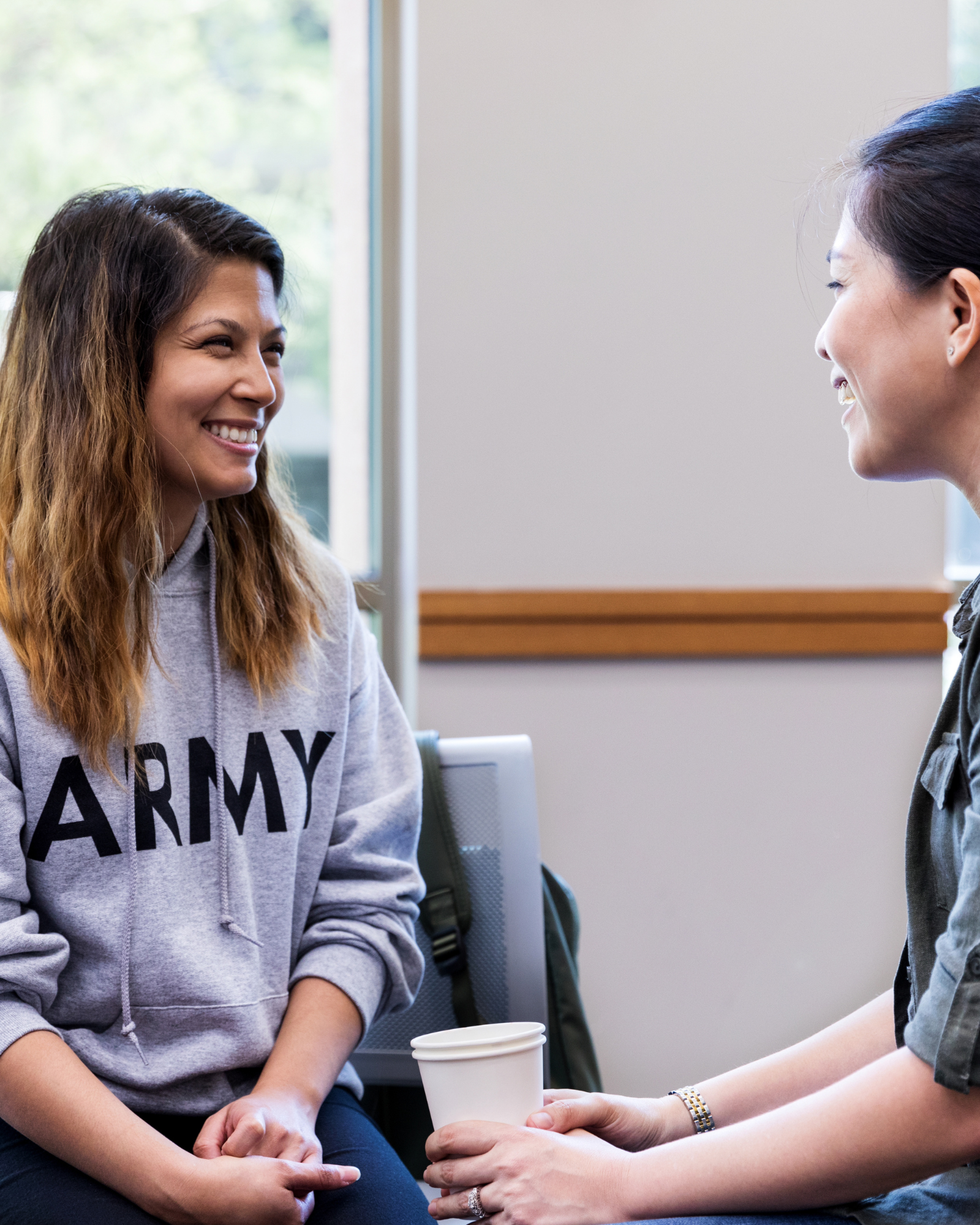
How Can Veterans Enroll and Access Addiction and Mental Health Services?
Veterans can enroll in addiction and mental health services through veterans rehab facilities, a straightforward process that includes veterans in the Community Care Network Region 4:
Beyond general enrollment, specific programs like the VA's Health Care for Reentry Veterans (HCRV) demonstrate targeted efforts to connect vulnerable populations with essential mental health and substance use disorder treatment.
VA Mental Health & SUD Treatment for Reentry Veterans
The Veterans Health Administration (VA) Health Care for Reentry Veterans (HCRV) program links veterans exiting prison with treatment. Among veterans served by HCRV, national VA clinical data were used to describe contact with VA health care, and mental health and substance use disorder diagnoses and treatment use. Of veterans seen for an HCRV outreach visit, 56 % had contact with VA health care. Prevalence of mental health disorders was 57 %; of whom 77 % entered mental health treatment within a month of diagnosis. Prevalence of substance use disorders was 49 %; of whom 37 % entered substance use disorder treatment within a month of diagnosis. For veterans exiting prison, increasing access to VA health care, especially for rural veterans, and for substance use disorder treatment, are important quality improvement targets.
Use of Veterans Health Administration mental health and substance use disorder treatment after exiting prison: The Health Care for Reentry Veterans program, AK Finlay, 2013
Confidential Consultation: Initial discussions to assess needs and treatment goals.
Pre-Assessment: Comprehensive evaluations to tailor treatment plans.
Coordinated Admission: Streamlined processes to facilitate access to necessary services.
Coordinated Admission: Streamlined processes to facilitate access to necessary services.
This approach ensures that veterans receive timely and effective care tailored to their unique circumstances.
Frequently Asked Questions

What should veterans expect during their first therapy session?
During the first therapy session, veterans can expect a safe, supportive environment where they will be able to openly discuss their experiences and challenges. The therapist will conduct an initial assessment to gather information about the veteran's mental health history, current struggles, and treatment goals. This session is key for establishing rapport, setting expectations for future sessions, and developing a personalized treatment plan that caters to the veteran’s unique needs.
How can family members support veterans in recovery?
Family members can play a crucial role in a veteran's recovery by actively participating in family counseling sessions and by creating an understanding, supportive home environment. Encouraging open communication, being patient with the veteran's progress, and educating themselves about addiction and mental health challenges can all help. Additionally, family members should also seek support for themselves to help manage any stress or emotion they may encounter during the recovery process.
Are there specific resources available for homeless veterans seeking mental health treatment?
Yes, there are specific resources designed to assist homeless veterans, including the Department of Veterans Affairs (VA) programs that provide comprehensive support for mental health treatment. This includes outreach services, transitional housing options, and connections to various rehabilitation programs. The VA also offers specialized services through the Healthcare for Homeless Veterans (HCHV) program, which facilitates access to health care, housing assistance, and supportive services tailored for homeless veterans.
What is the importance of aftercare in the recovery process?
Aftercare is essential in the recovery process as it helps veterans maintain sobriety and avoid relapse after formal treatment ends. It includes ongoing therapy, support groups, and regular check-ins that ensure veterans have continuous access to the care they need. Aftercare plans often incorporate coping strategies and resources for managing life challenges, ensuring veterans are supported as they reintegrate into their daily lives while navigating their recovery journey.
How can veterans who live in rural areas access mental health services?
Veterans in rural areas can access mental health services through several channels, including telehealth options that allow them to connect with healthcare professionals remotely. The VA also provides mobile clinics and outreach programs designed to bring services directly to veterans in these regions. Additionally, local veteran service organizations often collaborate with VA resources to improve accessibility to treatment and support amidst geographic challenges.
What should veterans do if they feel their treatment is not effective?
If veterans feel that their treatment is not effective, it's essential for them to communicate their concerns with their healthcare provider. Open dialogue can help the provider understand the veteran's needs better and consider adjustments to the treatment plan. This may involve trying different therapeutic approaches or discussing medication changes. Veterans should feel empowered to advocate for their care and explore alternative options that may be more beneficial in their recovery journey.
Is there a difference in treatment options for male and female veterans?
Yes, treatment options for male and female veterans can differ due to the varying nature of their experiences and challenges. Female veterans may face unique issues such as military sexual trauma (MST) and societal stigma. Gender-sensitive programs provide tailored therapies that address these issues while fostering a safe space for women to share their experiences. Treatment centers often implement gender-specific groups and interventions to meet the needs of female veterans effectively.
Conclusion
Veterans facing addiction and mental health challenges can find hope through Community Care Region 4 and our dedicated veterans' substance abuse treatment, which provides tailored support that acknowledges their unique experiences. By integrating evidence-based therapies and support services, these programs significantly enhance recovery outcomes and improve overall quality of life. Reach out to Hope and Healing Addiction Treatment Centers today to learn more about how our comprehensive approach can assist you or your loved one on their journey to recovery. Together, we can pave the way toward healing and renewed purpose. Call Us Today (888)868-1834.
