What Is A Process Addiction?
Signs, Types, and Treatment Options for Process Addiction in Mesa, AZ

By Dararoth Lam, PMH, NP, Hope & Healing Addiction Treatment Centers
Process addiction, often referred to as behavioral addiction, describes the compulsive engagement in certain behaviors despite adverse consequences. Unlike substance addictions, where individuals become reliant on a particular substance, process addictions involve activities like gambling, shopping, or gaming. Understanding process addiction is crucial for identifying signs and pursuing effective treatments. This comprehensive guide explores the various types of process addictions, their signs, neurological and psychological underpinnings, and detailed treatment options available in Mesa, AZ. Recognizing these behaviors and their impacts enables individuals, families, and healthcare providers to facilitate timely intervention and support sustainable recovery.
Process Addiction Overview
Process addiction refers to an uncontrollable urge to engage in behaviors that are rewarding but potentially harmful. These behaviors often lead to significant emotional, financial, and relational consequences. The mechanisms behind process addiction typically involve dysregulation of the brain's reward system, where dopamine and other neurotransmitters reinforce the behavior, creating a cycle of dependency and craving. This cycle can disrupt everyday life and contribute to a range of psychological issues, including anxiety, depression, and social isolation. Understanding the neurobiological and psychological aspects of process addiction allows for improved recognition and targeted interventions.
Signs of Process Addiction
Identifying process addiction early enhances chances of successful treatment. Common signs include:
Persistent Urges or Cravings: An overpowering desire to perform the behavior, often despite conscious attempts to resist.
Loss of Control: Difficulty limiting frequency or intensity of the behavior.
Continued Engagement Despite Negative Consequences: Ongoing behavior despite financial, relational, or emotional harm.
Withdrawal Symptoms: Experiencing distress, anxiety, irritability, or restlessness when unable to engage in the behavior.
Neglect of Obligations: Sacrificing work, social, or familial responsibilities due to the addictive behavior.
Recognizing these signs early can motivate individuals to seek appropriate help and adopt healthier coping strategies.
Types of Process Addictions

Process addictions manifest in various forms, each with unique behavioral patterns and challenges. Common types include:
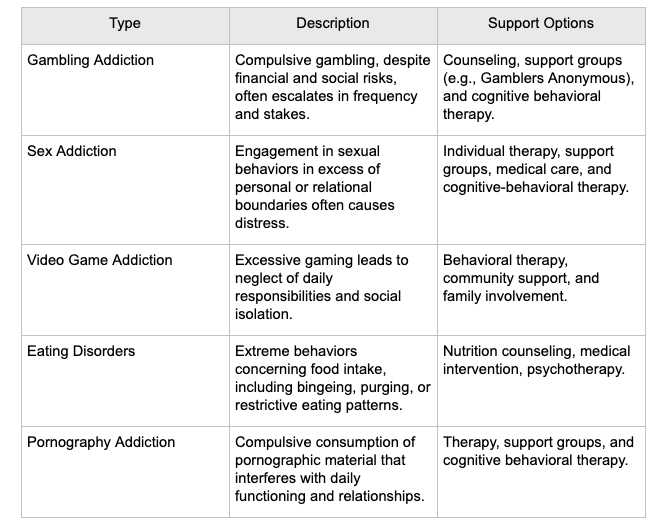
Recognizing the specific type of process addiction supports effective targeting of treatment methods and support resources.
Treatment Options in Mesa, AZ

Treatment for process addiction in Mesa, AZ is multifaceted, focusing on restoring well-being through evidence-based therapeutic approaches. Common treatment options include:
Inpatient Rehabilitation: Provides a structured residential environment with intensive support, monitoring, and therapy to address addiction comprehensively.
Outpatient Programs: Offers flexible treatment schedules enabling individuals to receive therapy while maintaining daily responsibilities.
Individual Therapy: Customized one-on-one sessions with a licensed mental health professional focusing on specific underlying issues and coping mechanisms.
Cognitive Behavioral Therapy (CBT): A foundational treatment that helps reframe maladaptive thought patterns and develop healthier behavior responses.
Support Groups: Group therapy sessions and recovery meetings that facilitate peer support, shared experiences, and accountability.
For individuals overcoming process addiction, these addiction treatment programs near me offer personalized, evidence-based support fostering long-term healing and recovery.
Levels of Care Available
Hope & Healing in Mesa, AZ provides multiple levels of care tailored to individual needs, including:
Inpatient Residential Rehab: Intensive therapy within a supportive community setting for those requiring 24/7 care.
Outpatient Services: Structured programs enabling participants to integrate treatment with daily life commitments.
Partial Hospitalization Programs (PHP): Comprehensive daytime therapy combining elements of inpatient and outpatient care, allowing for daily clinical support without overnight stay.
This spectrum of care ensures flexibility and accessibility, enabling individuals to engage in programs suited to their unique recovery goals and personal circumstances. Hope & Healing Addiction Treatment Centers is dedicated to facilitating your healing journey call us (888) 868-1834.
What Are the Common Signs and Symptoms of Behavioral Addiction?
Behavioral addictions are characterized by persistent compulsive behaviors despite negative repercussions. Typical signs include:
Withdrawal Symptoms: Psychological or physical distress such as anxiety, irritability, or depression, when deprived of the behavior.
Escalation: Increasing engagement intensity or frequency to achieve desired emotional or psychological effect.
Neglecting Responsibilities: Failure to meet professional, academic, or social obligations due to preoccupation with the behavior.
Recognizing these symptoms supports early diagnosis and intervention.
What Are Behavioral Addiction Signs Differentiating Process from Substance Addictions?
Understanding differences between process and substance addictions informs treatment approaches:
Nature of Addiction: Process addictions center around behaviors, whereas substance addictions involve chemical dependency on drugs or alcohol.
Withdrawal Presentation: Process addictions generally produce emotional and psychological withdrawal without pronounced physical symptoms typical of substance withdrawal.
Consequences: While both can cause significant life disruption, substance addictions often have additional direct physical health consequences.
Examples: Gambling addiction leads to financial losses; substance addiction may lead to organ damage.
Comprehensive assessment ensures the identification of co-occurring conditions and informs tailored treatments.
Which Types of Behavioral Addictions Are Most Prevalent in Mesa, AZ?
In Mesa, AZ, the following behavioral addictions have notable prevalence based on local data and community health reports:
Gambling: Boosted by availability of local casinos and sports betting opportunities.
Video Game Addiction: Correlated with rising engagement in online gaming and digital communities.
Sex Addiction: Affecting relational stability and psychological well-being.
Pornography Addiction: Increasing due to the accessibility of online adult content.
Eating Disorders: Often intertwined with emotional and psychological challenges.
Shopping Addiction: Exacerbated by the convenience of online shopping and social media influence.
Community awareness and targeted resources are essential to addressing these behavioral health challenges effectively.
How Do Shopping and Other Process Addictions Differ Clinically?
Shopping addiction distinguishes itself clinically through its unique manifestations:
Symptomatology: Characterized by compulsive purchasing behavior often followed by feelings of regret or guilt, contributing to mood disturbances.
Treatment Approaches: Cognitive Behavioral Therapy, financial counseling, and support groups tailored to compulsive buying behaviors.
Visibility: Unlike some addictions, shopping behaviors may blend into routine activities, delaying recognition and intervention.
Understanding these nuances enables clinicians to develop individualized treatment plans addressing both psychological and financial impacts.
What Treatment Options Are Available for Process Addiction Recovery in Mesa, AZ?
Hope & Healing in Mesa offers a broad range of recovery services emphasizing holistic and evidence-based care approaches, including:
Cognitive Behavioral Therapy (CBT): Effective in targeting thought patterns driving addictive behaviors.
Support Groups: Facilitates community support through groups like Gamblers Anonymous or Sex Addicts Anonymous.
Family Counseling: Rebuilds trust and communication within families affected by addiction.
Dual Diagnosis Treatment: Addresses co-occurring mental health disorders such as depression or anxiety alongside addiction.
Mindfulness and Stress Reduction Techniques: Enhance emotional regulation and relapse prevention.
Integrating these diverse methods creates a comprehensive treatment environment conducive to sustainable recovery.
What Is the Enrollment Process for Process Addiction Recovery Programs in Mesa?
Initial Contact: Reach out to Hope & Healing via phone, email, or online inquiry. An admissions specialist will be happy to help you.
Insurance Verification: Confirm coverage and understand financial options.
Comprehensive Clinical Assessment: Includes medical, psychological, and social evaluations to determine the appropriate level of care.
Treatment Planning: Collaborative development of a personalized recovery plan.
Admission and Orientation: Begin treatment with orientation to program expectations and resources.
Following these structured steps facilitates smooth integration into effective recovery pathways at Hope & Healing Addiction Treatment Centers. Call us today (888) 868-1834.
How Does Process Addiction Treatment Address Co-occurring Mental Health Disorders?
Treatment programs incorporate integrated dual diagnosis approaches, recognizing that many individuals with process addictions concurrently experience mental health disorders such as anxiety or depression.
Therapeutic strategies include:
Simultaneous Treatment: Addiction and mental health issues are addressed concurrently to improve outcomes.
Holistic Care: Mindfulness training, stress management, and psychosocial support foster whole-person healing.
Medication Management: When appropriate, psychiatric medications support mental health stabilization.
This integrated methodology enhances recovery success and reduces relapse risk.
What Specialized Support Exists for Veterans and Native American Communities in Mesa?
Hope & Healing centers offer culturally sensitive programs designed specifically for veterans and Native American populations, acknowledging unique challenges and cultural values.
Culturally Adapted Therapies: Incorporate traditional healing practices alongside contemporary treatment methods.
Community-Based Support: Facilitate connection with tribal and veteran communities, fostering belonging and acceptance.
Holistic Wellness: Emphasize spiritual, mental, and physical health integration to support comprehensive recovery.
These specialized services recognize and respect cultural identity as an integral part of effective treatment.
Frequently Asked Questions
1. What impact does process addiction have on relationships?
Process addiction can severely impact relationships due to compulsive behaviors taking priority over social bonds. Family and friends may experience neglect, mistrust, and emotional pain. Communication often deteriorates, potentially leading to estrangement. Family therapy is an important component of treatment, aiming to restore connection, trust, and healthy communication.
2. Can process addiction lead to physical health problems?
Although primarily affecting mental health, process addictions can indirectly cause physical health issues. Chronic stress and anxiety associated with addiction can manifest as headaches, gastrointestinal problems, and sleep disturbances. Certain behaviors, such as those in eating disorders or sexual addiction, carry direct physical risks. Comprehensive treatment addresses both mental and physical health consequences.
3. How do I know if I or someone I know has a process addiction?
Signs include persistent compulsive engagement despite harm, loss of control, withdrawal symptoms, and neglect of responsibilities. Observing these consistently suggests a behavioral addiction. Consulting a qualified mental health professional can provide diagnosis and treatment guidance.
4. What role do support groups play in recovery from process addiction?
Support groups offer essential peer connection, shared experiences, encouragement, and accountability. Groups such as Gamblers Anonymous or Sex Addicts Anonymous provide a safe space for individuals to discuss challenges and successes, fostering motivation and resilience.
5. Are there specific resources available in Mesa, AZ for process addiction recovery?
Yes, Mesa hosts multiple inpatient and outpatient centers offering therapy, support groups, and holistic approaches tailored to diverse community needs, including programs for veterans and Native Americans. Local professionals assist in accessing these services.
6. How does cognitive behavioral therapy (CBT) help with process addiction?
CBT helps identify and change dysfunctional thoughts and behaviors fueling addiction. It teaches coping strategies, improves emotional regulation, reduces triggers, and promotes healthier habits, empowering control over behavior.
7. What is the importance of a dual diagnosis in treating process addiction?
Dual diagnosis addresses both the addiction and co-occurring mental health disorders simultaneously, which is critical since untreated mental health issues can undermine addiction recovery. Integrated treatment leads to more successful, long-term outcomes.
Conclusion
Understanding process addiction and its complexities is essential for effective intervention and recovery. Hope & Healing Addiction Treatment Centers in Mesa, AZ provides comprehensive, evidence-based programs that encompass therapy, community support, and culturally sensitive care. Engaging with these resources empowers individuals to reclaim emotional and relational well-being. If you or a loved one struggles with process addiction, reaching out to local professionals today can be the vital first step toward lasting healing.
Call Now
Take the First Step Toward Recovery
Call (888) 868-1834 to speak with an admissions specialist and start your recovery journey today.
