Methamphetamine Addiction Treatment & Rehab
Effective Meth Addiction Treatment & Rehab: Understanding Withdrawal, Counseling, and Relapse Prevention

By Dararoth Lam, PMH, NP, Hope & Healing Addiction Treatment Centers
Methamphetamine addiction is a complex and challenging condition affecting millions of individuals and their families worldwide. Gaining a comprehensive understanding of methamphetamine addiction treatment and rehabilitation is vital for anyone seeking recovery. This article explores key aspects of methamphetamine addiction, including withdrawal symptoms, detox programs, evidence-based counseling therapies, and relapse prevention strategies. With these insights, readers will be better equipped to navigate the recovery process and access the essential support they need.
The journey to recovery from methamphetamine addiction often starts with recognizing and managing withdrawal symptoms during detoxification. These symptoms can profoundly affect one's ability to recover, underscoring the importance of effective symptom management. Furthermore, various counseling and behavioral therapies play a crucial role in supporting individuals throughout their recovery journey. Ultimately, implementing robust relapse prevention strategies and comprehensive aftercare enhances the likelihood of sustained, long-term recovery success.
Key Takeaways
Meth treatment near me requires managing withdrawal symptoms to support motivation and prevent relapse during detox.
Medically supervised detox programs provide safe withdrawal management through continuous monitoring and symptom control.
Cognitive Behavioral Therapy helps reshape negative thought patterns and reduce cravings in meth addiction recovery.
Trauma-informed care enhances treatment by addressing past traumas and meeting emotional needs during recovery.
Different care levels include inpatient rehab, partial hospitalization, and intensive outpatient programs tailored to addiction severity.
Relapse prevention involves counseling, peer support, healthy lifestyle habits, and strong social networks to sustain sobriety.
Culturally sensitive programs improve recovery outcomes for veterans and American Indian/Alaska Native communities.
Family support and therapy play crucial roles in improving communication and fostering understanding during addiction recovery.
Integrated treatment for co-occurring mental health disorders uses therapies like DBT and ACT to address dual diagnoses effectively.
Common Methamphetamine Withdrawal Symptoms
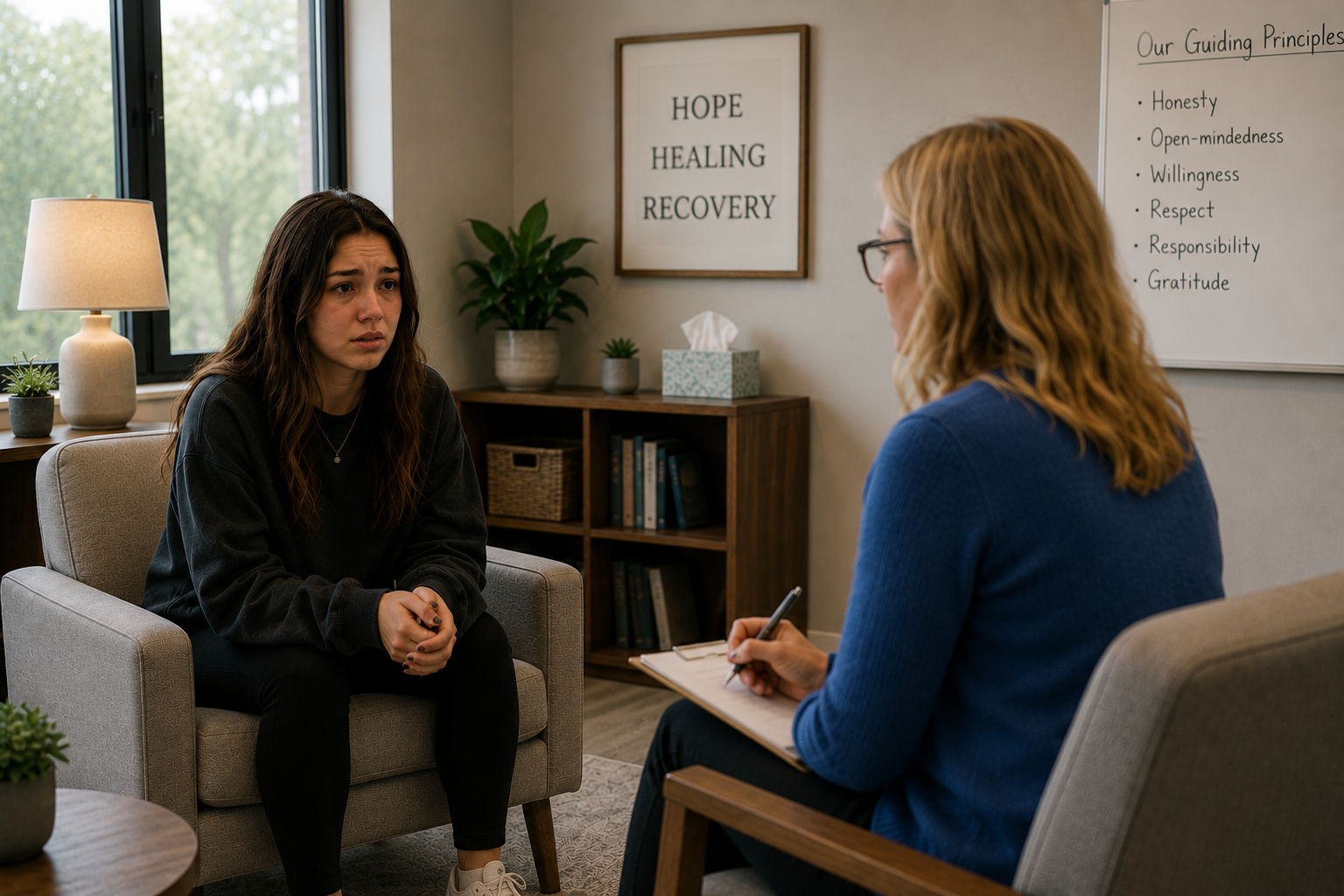
Methamphetamine withdrawal symptoms involve a range of physical and psychological challenges, often making abstinence difficult. Common symptoms include profound fatigue, increased appetite, depressive moods, heightened anxiety, irritability, and strong cravings for methamphetamine. The intensity and duration of these symptoms vary among individuals, but they often contribute to a difficult and critical phase in the recovery process.
Impact of Withdrawal Symptoms on Recovery
Withdrawal symptoms can significantly impede recovery by increasing the risk of relapse. The physical discomfort and psychological distress linked to these symptoms can drive individuals to resume drug use in search of relief. Effective management of withdrawal symptoms is essential to preserving motivation and commitment to recovery. Strong support from healthcare professionals, counselors, and loved ones plays a vital role in helping individuals navigate this challenging stage successfully.
Crystal Meth Detox Programs and Safe Recovery
Crystal meth detox programs offer a controlled and supportive environment to help individuals during the withdrawal phase. These meth rehab programs typically include continuous medical supervision that monitors and manages withdrawal symptoms safely, minimizing complications and promoting comfort.
Medically Supervised Detoxification Explained
Medically supervised detoxification is a structured treatment approach where healthcare professionals closely oversee an individual's withdrawal from methamphetamine. Timely interventions and symptom management during this process ensure a safer detox experience by reducing potential health risks and alleviating discomfort.
Typical Duration of Meth Detox
The length of methamphetamine detoxification depends on factors such as addiction severity, duration of use, and overall health status. Generally, detox lasts from several days up to a few weeks. During this period, individuals may experience fluctuating symptoms that require consistent monitoring and supportive care to ensure safety and comfort.
Effective Counseling and Behavioral Therapies for Meth Addiction
Integrating evidence-based counseling and behavioral therapies is crucial in meth addiction treatment. These therapeutic methods help individuals uncover underlying causes of addiction, develop healthier behaviors, and build coping strategies supporting sustained recovery.
Cognitive Behavioral Therapy (CBT) for Methamphetamine Users

Cognitive Behavioral Therapy (CBT) is a well-established psychotherapy that assists individuals in identifying and reshaping negative thought patterns and behaviors that fuel addiction. By addressing cognitive distortions, CBT supports patients in developing healthier coping mechanisms, reducing drug cravings, and lowering relapse risk.
Role of Trauma-Informed Care in Treatment
Trauma-Informed Care recognizes the significant impact trauma can have on mental health and addiction recovery. This approach creates a safe, empathetic environment where patients can address past traumas while receiving addiction treatment. Incorporating trauma-informed practices enhances treatment effectiveness and improves overall patient outcomes by meeting individuals' unique psychological and emotional needs.
Levels of Care in Meth Addiction Treatment
Understanding different levels of care is crucial for tailoring meth addiction treatment near me to individual needs. Below are the primary treatment settings commonly utilized in recovery:
Inpatient Residential Rehab
Inpatient Residential Rehab provides 24/7 intensive care in a structured environment. This level is ideal for individuals with severe addiction or those needing a safe, supportive place away from triggers. Patients receive comprehensive medical supervision, individual and group therapy, and holistic support services addressing various aspects of addiction.
Partial Hospitalization Program (PHP)
The Partial Hospitalization Program offers a rigorous day treatment schedule while allowing patients to return home or to a sober living environment in the evenings. PHP combines medical monitoring with multiple daily therapy sessions, offering a high level of care for those transitioning from inpatient rehab or requiring substantial support without full residential care.
Intensive Outpatient Program (IOP)
The Intensive Outpatient Program provides flexible treatment where individuals attend therapy several times a week for a few hours per session. IOP suits those with moderate addiction severity who can maintain daily responsibilities like work or school while needing structured support to maintain sobriety. It often serves as a step-down from higher levels of care or an entry point for treatment.
Methamphetamine Relapse Prevention and Aftercare for Long-Term Recovery
Relapse prevention and comprehensive aftercare are pivotal to sustaining recovery. These strategies provide individuals with ongoing tools, support, and guidance to maintain sobriety and manage challenges after treatment.
Strategies to Reduce Relapse Risk in Meth Addiction
Effective relapse prevention strategies include ongoing counseling to reinforce coping skills, active involvement in peer support groups, and cultivating a reliable support network of family and friends. Engaging in healthy lifestyle activities, stress management techniques, and proactive craving control further helps reduce relapse risk and build resilience in recovery.
Supporting Veteran and American Indian/Alaska Native Communities
Veteran and American Indian/Alaska Native communities often face unique recovery challenges that require culturally sensitive approaches. Specialized programs for these populations incorporate cultural traditions, values, and community strengths to foster healing and inclusivity. Honoring cultural differences enables treatment providers to deliver more effective, personalized care that improves engagement and recovery outcomes.
Hope and Healing Addiction Treatment Centers specialize in comprehensive, evidence-based addiction treatment services, with a dedicated focus on meth addiction treatment mesa az. Their holistic programs support individuals at every stage of recovery—from medically supervised detoxification through counseling and aftercare—ensuring integrated, compassionate care designed to promote lasting wellness.
Frequently Asked Questions
1. What support systems are available for families of those struggling with methamphetamine addiction?
Families of individuals dealing with methamphetamine addiction benefit from support groups and counseling services tailored to their unique challenges. Organizations like Al-Anon provide resources and support networks specifically for families, offering safe spaces to share experiences and learn coping strategies. Family therapy also helps improve communication, rebuild trust, and foster a better understanding of addiction, supporting both loved ones and individuals in recovery.
2. What are the long-term effects of methamphetamine use on mental health?
Long-term methamphetamine use can lead to significant mental health issues, including anxiety, depression, and cognitive impairments. Users may experience persistent mood swings, paranoia, and even psychosis. These effects can worsen without intervention and may hinder recovery efforts, highlighting the importance of comprehensive treatment addressing both addiction and its psychological impacts through therapy, medication, and support networks.
3. Can lifestyle changes enhance recovery from methamphetamine addiction?
Yes, adopting healthier lifestyle changes can greatly enhance recovery from methamphetamine addiction. Engaging in regular physical activities, maintaining a balanced diet, and practicing good sleep hygiene contribute to overall well-being and resilience. Incorporating mindfulness practices such as meditation or yoga can also help manage stress and cravings, creating a stable foundation for long-term sobriety.
4. How can loved ones help someone in methamphetamine recovery?
Loved ones play a vital role in supporting someone recovering from methamphetamine addiction by providing emotional support, understanding, and encouragement. Establishing clear boundaries and engaging in open communication about the recovery journey are important. Encouraging participation in support groups and attending therapy sessions together fosters accountability and reinforces a positive recovery environment.
5. What role does medication-assisted treatment (MAT) play in methamphetamine recovery?
Medication-Assisted Treatment (MAT) can be an essential component of methamphetamine recovery, helping to alleviate withdrawal symptoms and reduce cravings. Although no FDA-approved medications specifically exist for meth addiction yet, ongoing research aims to identify effective pharmacological options. MAT is typically combined with behavioral therapies to create a comprehensive treatment plan tailored to an individual's unique needs.
6. Are there specific therapies recommended for co-occurring mental health disorders in meth addiction?
Individuals with co-occurring mental health disorders alongside methamphetamine addiction benefit from integrated meth clinic treatment approaches. Evidence-based therapies such as Dialectical Behavior Therapy (DBT) and Acceptance and Commitment Therapy (ACT) are particularly effective. These approaches address both substance use and underlying mental health issues, aiding individuals in recovery while developing coping strategies to manage mental health challenges.
7. How can I choose the right rehab center for methamphetamine addiction?
Selecting an appropriate rehab center involves considering several factors, including accreditation, treatment approaches, and availability of personalized care. It is important to seek facilities experienced in treating methamphetamine addiction and offering evidence-based programs. Visiting the center, speaking with staff, and inquiring about aftercare services help assess the quality of support and ensure a good match for the individual's recovery needs. Hope & Healing Addiction Treatment Centers in Mesa, AZ is ready to help 24/7, with an Admissions Specialist available at (888) 868-1834.
Conclusion
Understanding methamphetamine addiction and its treatment methods offers critical insights toward recovery. Prioritizing effective detoxification, counseling, and relapse prevention strategies can significantly improve the chances of long-term sobriety. We encourage you to reach out to our expert team for personalized support tailored to your unique recovery journey. Together, we can foster healing and resilience on the path to a healthier life. Hope & Healing Addiction Treatment Centers in Mesa, AZ is here to help you or your loved one heal with meth rehab, call today (888) 868-1834.
