
Drug Rehab Options in Mesa Explained
Drug Rehab Options in Mesa Explained: Comprehensive Guide to Addiction Treatment Mesa

By Dararoth Lam, PMH, NP - AZ Hope & Healing
Navigating the landscape of drug rehabilitation can be overwhelming, especially for those seeking help in Mesa. This article aims to clarify the various drug rehab options available, focusing on the types of programs, treatment methodologies, and specialized services tailored to meet diverse needs. Readers will gain insights into how these programs function, the benefits they offer, and the unique considerations for specific populations, including veterans and Indigenous communities. Understanding these options is crucial for making informed decisions about addiction treatment. This guide will cover the types of drug rehab programs, treatment methodologies, support resources, and the enrollment process, ensuring a comprehensive overview of addiction treatment in Mesa. AZ Hope & Healing offers a full continuum of addiction care — from medically supervised detox through outpatient aftercare — ensuring every client receives the right level of support at every stage of recovery.
Types of Drug Rehab Programs
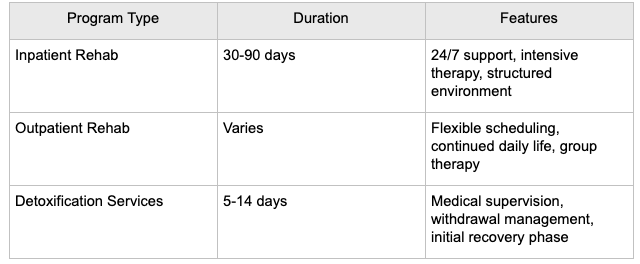
In Mesa, various drug rehab programs cater to different needs and circumstances. The primary types include inpatient and outpatient rehab options, each designed to provide specific levels of care and support. Inpatient rehab offers a structured environment where individuals reside at the facility, receiving 24/7 support and intensive therapy. Outpatient rehab, on the other hand, allows individuals to live at home while attending scheduled treatment sessions, providing flexibility for those who may have work or family commitments. For individuals requiring a higher level of structure and 24-hour support, inpatient residential rehab in Mesa provides a fully immersive environment where clients can focus entirely on recovery away from everyday triggers.
Hope and Healing Addiction Treatment Centers offers specialized addiction treatment services with a focus on drug rehab options in Mesa. The center provides comprehensive programs addressing substance abuse, co-occurring mental health disorders, and trauma, tailored to diverse populations including veterans and American Indian/Alaska Native communities.
Treatment Methodologies

Different methodologies are employed in drug rehab programs to address the unique needs of individuals. Trauma-informed care is a prominent approach that recognizes the impact of trauma on addiction and recovery. Cognitive Behavioral Therapy (CBT) is another effective method, helping individuals identify and change negative thought patterns that contribute to substance use. Holistic therapies, such as mindfulness and yoga, are also integrated into treatment plans to promote overall well-being.
Support Resources
Support resources play a vital role in the recovery process. These resources include life skills development programs, continuing care and aftercare support, and various support groups. Life skills development helps individuals build essential skills for daily living, while aftercare support ensures ongoing assistance after completing a rehab program. Support groups provide a community of individuals who share similar experiences, fostering a sense of belonging and understanding.
How Do Inpatient Rehab Programs Support Recovery
Inpatient rehab programs support recovery by providing a structured environment that minimizes distractions and triggers. These programs typically include a comprehensive treatment plan that addresses both the physical and psychological aspects of addiction. With 24/7 support from trained professionals, individuals can engage in various therapeutic activities, including individual counseling, group therapy, and recreational activities that promote healing and recovery.
What Are the Benefits of Outpatient Drug Rehab Options?
Outpatient drug rehab options offer several benefits, including flexibility and the ability to maintain daily responsibilities. Individuals can attend therapy sessions while continuing to work or care for their families. This approach allows for a supportive environment where individuals can apply what they learn in therapy to their everyday lives. Additionally, outpatient programs often have lower costs compared to inpatient options, making them accessible to a broader range of individuals.
Which Specialized Addiction Treatment Services Are Offered for Veterans and Indigenous Communities in Mesa?
Specialized addiction treatment services for veterans and Indigenous communities in Mesa focus on culturally competent care and trauma-informed approaches. These programs recognize the unique challenges faced by these populations, including experiences of trauma and cultural dislocation. By integrating traditional healing practices and providing tailored support, these services aim to address the specific needs of veterans and Indigenous individuals in their recovery journeys.
How Are Veteran-Specific Programs Tailored to Unique Needs?
Veteran-specific programs are tailored to address the unique needs of military personnel, often incorporating trauma-focused therapies that address issues such as PTSD. These programs provide a safe space for veterans to share their experiences and receive support from peers who understand their challenges. Flexible treatment options are also available, allowing veterans to engage in programs that fit their schedules and personal circumstances. Check out more about our Recovery In Arms Program for veterans in Community Care Network, Region 4.
What Culturally Sensitive Services Support American Indian and Alaska Native Communities?
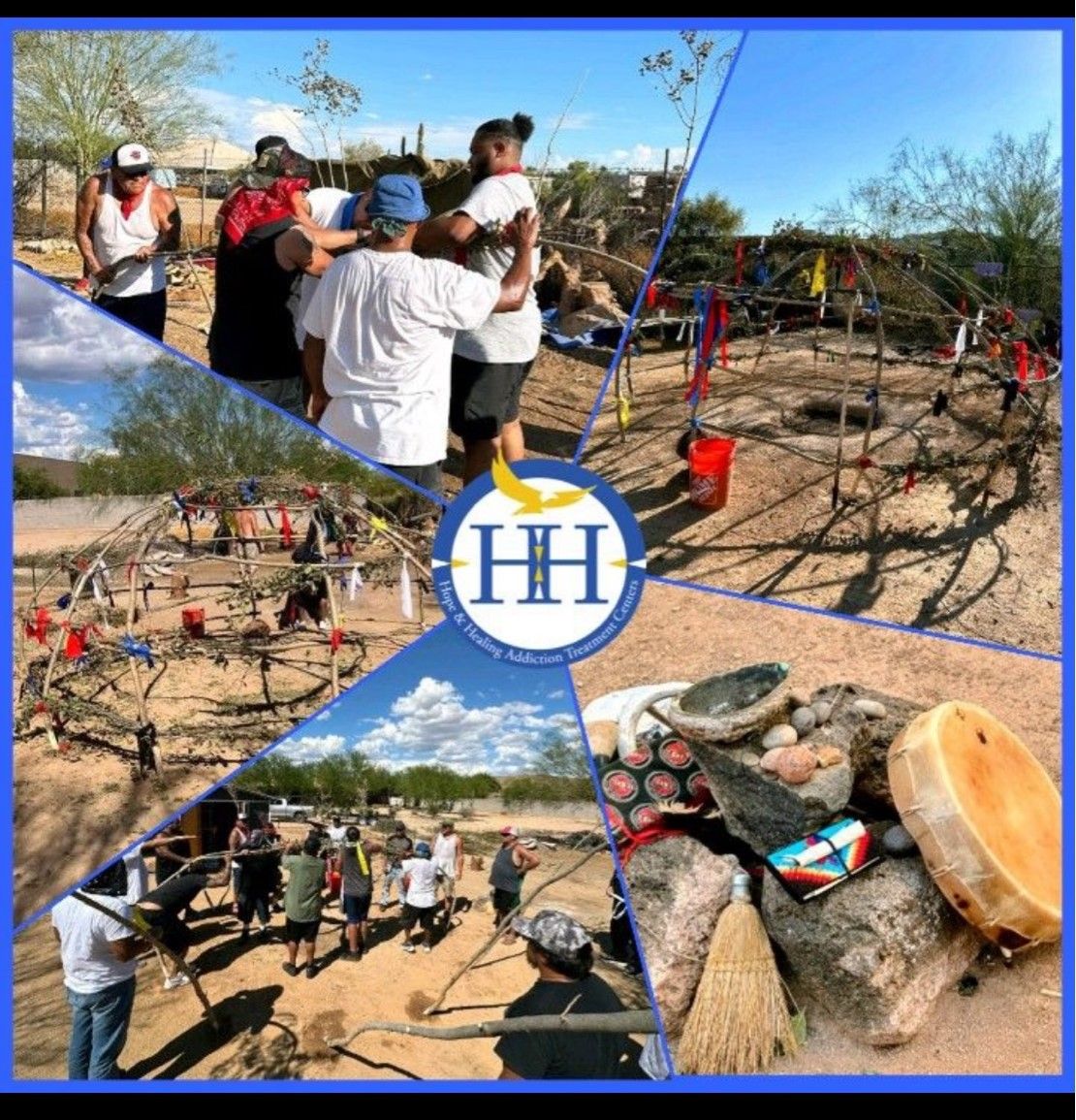
Culturally sensitive services for American Indian and Alaska Native communities integrate traditional practices with modern therapeutic approaches. These services recognize the importance of cultural identity in the healing process and often include elements such as storytelling, traditional ceremonies, and community involvement. By honoring cultural heritage, these programs foster a sense of belonging and support recovery in a meaningful way.
Research highlights the persistent disparities in substance use treatment access and completion rates for minority populations, including American Indian and Alaska Native communities.
Addressing Substance Use Treatment Disparities for Minority Populations
In the United States, underrepresented minority (URM) groups, including African American or Black, Hispanic or Latino, and American Indian or Alaska Native populations, have experienced more barriers to substance use treatment engagement than their White counterparts [1]. These URM groups comprised only 15% of admissions to publicly funded substance use treatment programs in 2020, whereas White populations comprised 77% of admissions [2]. While the treatment gap is large for all, these gaps are greater for URM groups [3]. Among African American or Black and Hispanic or Latino populations diagnosed with a substance use disorder, 93% and 95%, respectively, did not receive treatment in 2021 [4]. Of the few URM groups who do access treatment, African American or Black and Hispanic or Latino populations are the largest groups and are less likely to complete treatment compared to White individuals [5-8].
… interventions for substance use treatment among people who identify as African American or Black, Hispanic or Latino, and American Indian or Alaska Native …, JS Boggis, 2024
How Does Trauma-Informed Care Address Co-Occurring Disorders in Mesa Addiction Treatment?
Trauma-informed care addresses co-occurring disorders by recognizing the interplay between trauma and addiction. This approach emphasizes creating a safe and supportive environment where individuals can explore their experiences without judgment. By integrating mental health services into addiction treatment, providers can offer comprehensive care that addresses both substance use and underlying psychological issues.
What Is Trauma-Informed Addiction Treatment?
Trauma-informed addiction treatment is an approach that prioritizes understanding the impact of trauma on individuals' lives. It involves training staff to recognize signs of trauma and respond appropriately, ensuring that treatment is delivered in a way that promotes safety and empowerment. This method helps individuals feel more comfortable and supported during their recovery journey.
How Are Co-Occurring Mental Health Disorders Integrated into Rehab Programs?
Co-occurring mental health disorders are integrated into rehab programs through comprehensive assessments and individualized treatment plans. Mental health professionals work alongside addiction specialists to provide coordinated care that addresses both substance use and mental health issues. This integrated approach ensures that individuals receive the support they need to achieve lasting recovery.
The importance of integrating mental health and addiction services for individuals with co-occurring disorders is a widely recognized principle in effective treatment.
Integrating Mental Health & Addiction Services for Recovery
Despite a range of long-standing historical, political, ideological, professional, structural, and practical barriers, there has been, and continues to be, a clear consensus that integration between mental health and addiction services is sorely needed and long overdue. This paper focuses on one dimension of the challenge of integration from among the several – the conceptual – and proposes the construct of recovery as an organizing principle for bridging the divide between the two domains. After reviewing briefly the parallel history of the two traditions and their shared need for transformation to a recovery orientation, the authors offer an integrated model of recovery for persons with co-occurring disorders. They then derive from this model the underlying values, guiding principles, key strategies, and essential ingredients of recovery-oriented systems of care that comprise a common approach across both addictions and mental illness, offering a strengths-based solution to achieving integration where pathology-focused approaches have failed.
The concept of recovery as an organizing principle for integrating mental health and addiction services, L Davidson, 2007
Medication-Assisted Treatment (MAT) Options in Mesa
Recovery from addiction is rarely a one-size-fits-all journey. At AZ Hope & Healing in Mesa, Medication-Assisted Treatment (MAT) is offered as a clinically proven, evidence-based component of our comprehensive drug rehab programs — integrated seamlessly into our trauma-informed care model to support lasting recovery. At AZ Hope & Healing, MAT is integrated within a trauma-informed care model that addresses the root causes of addiction alongside its physical symptoms.
What Is Medication-Assisted Treatment and How Does It Work?
Medication-Assisted Treatment combines FDA-approved medications with counseling and behavioral therapies to treat substance use disorders. MAT works by reducing cravings, easing withdrawal symptoms, and stabilizing brain chemistry — allowing clients to engage more fully in therapy, rebuild relationships, and focus on long-term healing. Far from replacing one substance with another, MAT is a medically supervised, time-limited tool that gives the brain the support it needs to recover.
At AZ Hope & Healing, MAT is never used in isolation. Every client receiving MAT is also enrolled in individual therapy, group counseling, and trauma-informed support services — because we believe true recovery addresses the whole person, not just the substance.
How MAT Supports Our Trauma-Informed Care Model in Mesa
Many individuals struggling with addiction have experienced significant trauma. Trauma can dysregulate the nervous system in ways that make withdrawal and early recovery especially difficult — and MAT plays a critical role in stabilizing that dysregulation so that deeper therapeutic work can begin.
Our clinical team in Mesa integrates MAT within a trauma-informed framework that includes:
Safety and stabilization: MAT reduces the physical distress of withdrawal, creating a foundation of physical safety from which emotional healing can grow
Individualized assessment: every client undergoes a thorough clinical evaluation to determine whether MAT is appropriate, which medication is the best fit, and how long treatment should continue
Coordinated care: MAT prescribers work directly alongside therapists, case managers, and peer support specialists to ensure a unified, whole-person treatment plan
Gradual tapering: when the time is right, our medical team guides clients through a safe, supported taper — never abrupt discontinuation
Common MAT medications used at AZ Hope & Healing may include buprenorphine (Suboxone), naltrexone (Vivitrol), and methadone, depending on the substance of concern and the client's individual clinical profile.
If you or a loved one is wondering whether MAT is right for you, our compassionate clinical team is here to answer your questions. Call (888) 868-1834 for a confidential consultation.
Local Recovery Resources in Mesa, Arizona
Recovery doesn't happen in isolation — and in Mesa, Arizona, a strong network of community resources exists to support individuals and families at every stage of the journey. Whether you are preparing to enter treatment, currently in a program at AZ Hope & Healing, or navigating life after rehab, these local resources can provide additional support, connection, and community.
Alcoholics Anonymous (AA) and Narcotics Anonymous (NA) Meetings in Mesa
AA and NA meetings offer free, peer-led support for individuals in recovery from alcohol and drug addiction. Mesa has an active recovery community with meetings available throughout the week at various locations and times.
Alcoholics Anonymous — Greater Phoenix Area Intergroup: Find Mesa-area AA meetings by visiting aa-phxaz.org or calling the 24-hour meeting hotline at (602) 264-1341. Meetings are available in-person, online, and in multiple languages.
Narcotics Anonymous — Arizona Regional Service Committee: Locate NA meetings in Mesa and the surrounding East Valley at azna.org. NA offers open and closed meetings, step study groups, and speaker meetings throughout the week.
Both AA and NA are free to attend and open to anyone seeking support for substance use — no registration or referral required.
Maricopa County Crisis Line and Behavioral Health Support
If you or someone you love is experiencing a mental health or substance use crisis, immediate help is available 24 hours a day, 7 days a week.
Maricopa County Crisis Line: Call or text 480-784-1500 to reach a trained crisis counselor any time of day or night. This free, confidential service connects callers with immediate behavioral health support, crisis intervention, and referrals to local treatment resources — including detox and inpatient services when needed.
988 Suicide & Crisis Lifeline: Dial or text 988 for free, confidential support for mental health crises, suicidal thoughts, or substance use emergencies. Available 24/7 in English and Spanish.
Community Support and Non-Profit Resources in Mesa
EMPACT — Suicide Prevention Center (Mesa): EMPACT provides crisis intervention, outpatient behavioral health services, and community education programs across the East Valley. Their Mesa location offers counseling, case management, and support groups for individuals and families affected by mental health and substance use challenges. Visit empact-spc.org or call (480) 784-1500.
Valle del Sol: A community-based behavioral health organization serving the Mesa and greater Phoenix area, Valle del Sol specializes in culturally responsive mental health and substance use treatment — with a particular focus on Latino and underserved communities. Services include outpatient counseling, case management, and peer support. Visit valledelsol.com or call (602) 258-6797.
NAMI Arizona (National Alliance on Mental Illness): NAMI Arizona offers free education, support groups, and advocacy for individuals and families living with mental illness and co-occurring substance use disorders. Their Family Support Groups and NAMI Connection Recovery Support Groups meet regularly throughout the Mesa and East Valley area. Visit namiarizona.org or call the NAMI Helpline at (800) 950-6264.
You Don't Have to Navigate Recovery Alone
At AZ Hope & Healing, we believe that community is one of the most powerful forces in long-term recovery. Our clinical team is happy to connect you with local resources, peer support networks, and community organizations that complement your treatment plan. Call us at (888) 868-1834 to learn more about how we support our clients beyond the walls of our Mesa facility.
What Should You Know About the Enrollment Process and Choosing the Right Rehab Center in Mesa?
Understanding the enrollment process is crucial for individuals seeking treatment. The first step typically involves a confidential assessment to determine the appropriate level of care. Insurance verification is also an essential part of the process, ensuring that individuals can access the services they need without financial barriers. Choosing the right rehab center involves considering factors such as treatment approaches, program offerings, and the center's accreditation.
What Steps Are Involved in Enrolling in a Drug Rehab Program?
Initial Contact: Reach out to the rehab center to express interest in treatment.
Clinical Pre-Assessment: Undergo an evaluation to determine the appropriate level of care.
Begin Treatment: Once enrolled, individuals can start their recovery journey with the support of trained professionals.
How to Evaluate and Select the Best Rehab Center for Your Needs?
When evaluating rehab centers, consider the following factors:
Treatment Approach: Look for centers that offer evidence-based therapies and holistic options.
Programs Offered: Ensure the center provides programs that align with your specific needs.
Accreditation and Credentials: Verify that the center is accredited and staffed by qualified professionals.
By taking these steps, individuals can make informed decisions about their treatment options and find the support they need for recovery.
Ready to Start Your Recovery Journey?
At AZ Hope & Healing, we are dedicated to providing compassionate, comprehensive addiction treatment tailored to your unique needs. Our experienced team is here to support you every step of the way.
Call us today at (888) 868-1834 for a confidential consultation and take the first step toward lasting recovery.
