Cocaine Addiction Treatment & Recovery Programs
Effective Detox and Rehabilitation Solutions

By Dararoth Lam, PMH, NP, Hope & Healing Addiction Treatment Centers
Cocaine addiction is a complex condition that affects individuals physically, emotionally, and socially. Understanding the various treatment options available is crucial for those seeking recovery. This article delves into comprehensive cocaine addiction treatment and recovery programs, focusing on effective detoxification and rehabilitation solutions. Readers will learn about the detox methods, rehabilitation approaches, and the challenges faced during withdrawal. By addressing these aspects, individuals can better navigate their recovery journey and find the support they need.
Cocaine addiction treatment encompasses a range of services designed to help individuals regain control over their lives. The journey often begins with medically supervised detoxification, which is essential for safely managing withdrawal symptoms. Following detox, rehabilitation programs provide the necessary support and therapy to address the underlying issues related to addiction. This article will explore effective detox methods, rehabilitation solutions, and the overall approach to recovery, ensuring a comprehensive understanding of the treatment landscape. Hope & Healing Addiction Treatment Centers in Mesa, AZ is here to help with substance use disorder treatment.
Effective Detox Methods
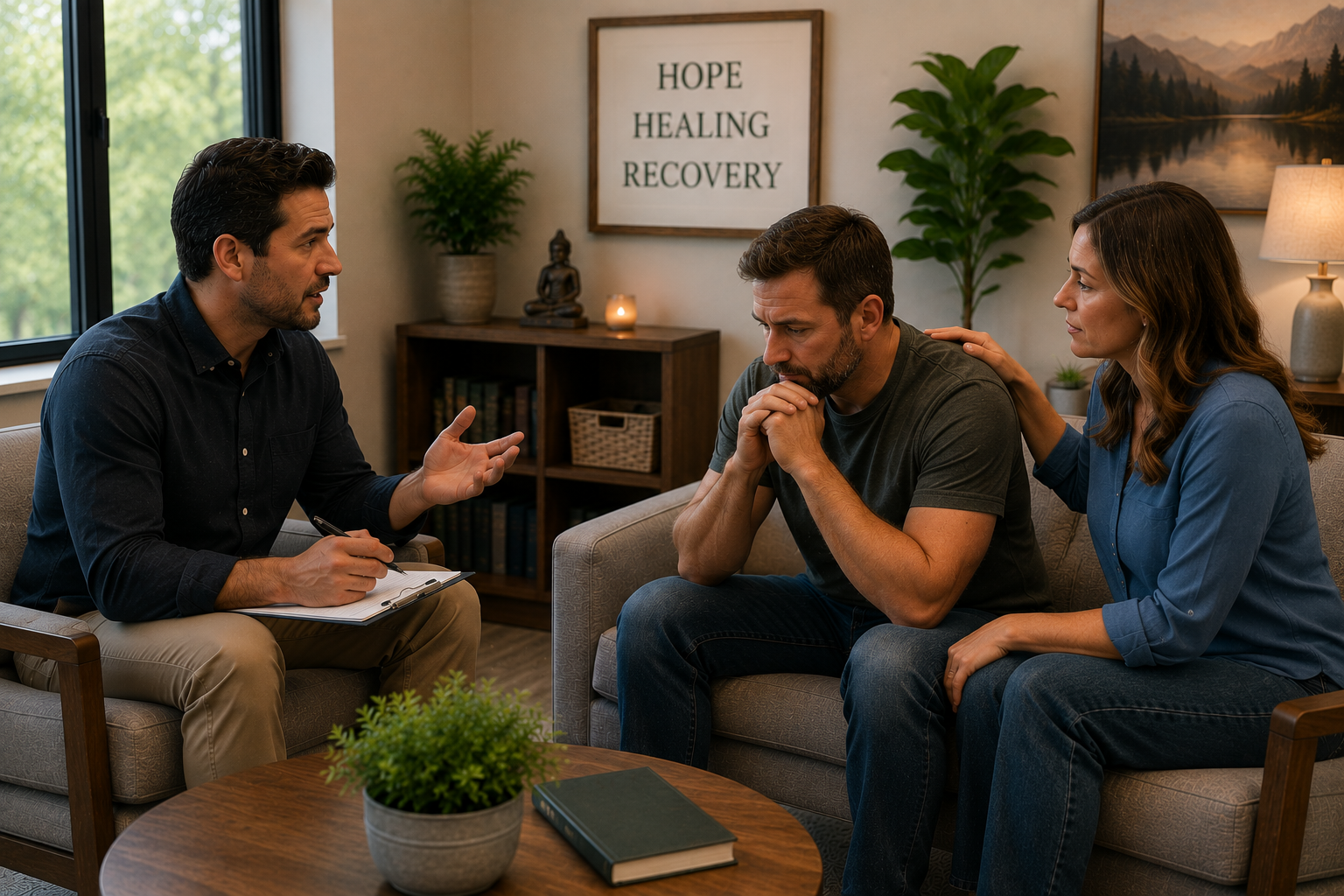
Detoxification is the first step in the recovery process for individuals struggling with cocaine addiction. It involves the safe removal of the drug from the body while managing withdrawal symptoms. Medically supervised detox options are crucial, as they provide a safe environment where healthcare professionals can monitor patients and offer support. This process ensures safety and comfort during detox, which is vital for successful recovery.
The importance of professional support during detox cannot be overstated. Trained medical staff can administer medications to alleviate withdrawal symptoms and provide emotional support. This comprehensive approach helps individuals transition into the next phase of their recovery journey with a solid foundation.
Rehabilitation Solutions

Rehabilitation is a critical component of cocaine addiction treatment, offering various approaches tailored to individual needs. Different rehabilitation methods include inpatient and outpatient programs, each with unique benefits. Inpatient rehab provides a structured environment where individuals can focus solely on their recovery, while outpatient rehab allows for more flexibility, enabling individuals to maintain their daily responsibilities.
Trauma-informed care is a key aspect of rehabilitation solutions, addressing the underlying issues that may contribute to addiction. Therapeutic approaches, including individual and group therapy, are essential for fostering healing and personal growth. Additionally, dual diagnosis support is crucial for individuals facing co-occurring mental health disorders, ensuring comprehensive care that addresses all aspects of a person's well-being.
Key Symptoms and Challenges of Cocaine Withdrawal
Cocaine withdrawal can present a range of symptoms that vary in intensity and duration. Common emotional and psychological symptoms include anxiety, depression, and irritability, which can significantly impact an individual's ability to cope. The duration of withdrawal symptoms can last from a few days to several weeks, depending on the severity of the addiction and individual factors.
Research further supports the complex nature of cocaine withdrawal, highlighting the need for comprehensive treatment strategies.
Cocaine Withdrawal Symptoms & Treatment
reducing cocaine use, with one or more withdrawal symptoms for ATS/MA and cocaine withdrawal treatments, respectively. behavioral techniques, depressive and anxiety symptoms in
Clinical management of psychostimulant withdrawal: review of the evidence, MJ Li, 2023
Challenges in recovery often stem from the psychological aspects of withdrawal. Individuals may struggle with cravings and emotional instability, making it essential to have a robust support system in place. Understanding these challenges is crucial for developing effective treatment plans that address both the physical and emotional aspects of recovery.
Overall Approach to Recovery
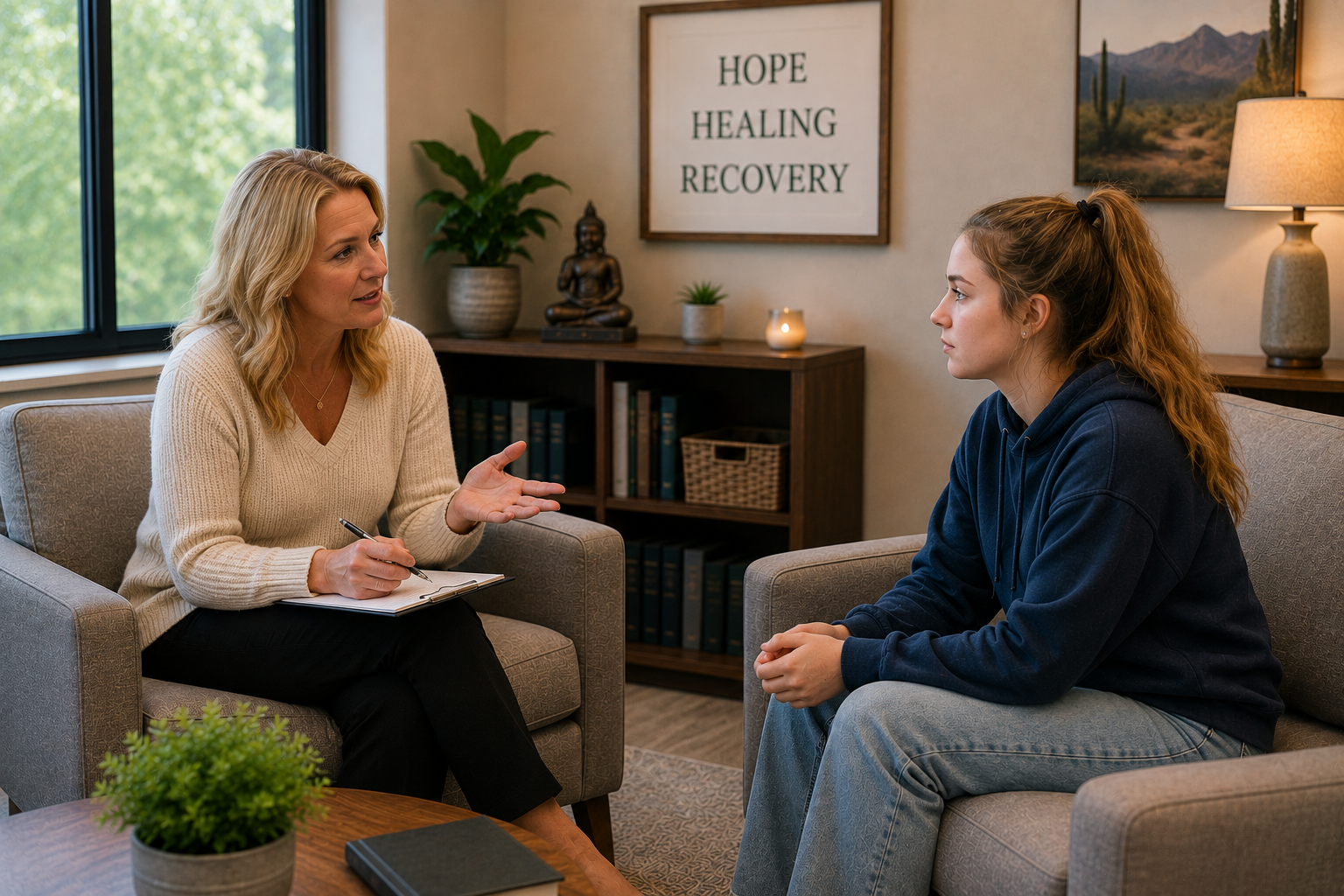
A comprehensive approach to recovery from cocaine addiction involves personalized care that addresses the unique needs of each individual. Aftercare planning is a vital component, ensuring that individuals have the necessary support as they transition back into their daily lives. Supportive therapies, such as:
counseling
support groups
medication-assisted treatment (as needed)
Hope & Healing Addiction Treatment Centers specializes in comprehensive addiction treatment, focusing on cocaine addiction treatment and recovery programs. Their primary services include medically supervised detoxification, inpatient and outpatient rehabilitation, and aftercare support tailored to individuals struggling with cocaine and stimulant abuse. This holistic approach emphasizes trauma-informed care and addresses co-occurring mental health disorders,
What Treatment Options Are Available: Inpatient vs. Outpatient Cocaine Rehab?
When considering treatment options for cocaine addiction, individuals often face the choice between inpatient and outpatient rehab. Each option has its unique benefits and considerations, making it essential to evaluate personal circumstances and needs.
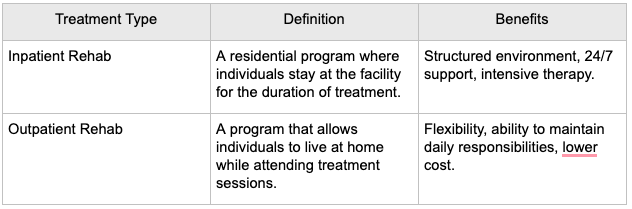
Choosing the right treatment option depends on various factors, including the severity of addiction, personal preferences, and support systems. Understanding the differences between inpatient and outpatient rehab can help individuals make informed decisions about their recovery journey.
Comparing Inpatient Cocaine Rehabilitation Programs

Inpatient cocaine rehabilitation programs offer a structured environment for individuals seeking recovery. These programs typically include a range of therapeutic interventions, including individual therapy, group therapy, and holistic therapies. The structure and support provided in inpatient settings can be particularly beneficial for individuals with severe addiction or those who have struggled with multiple relapses.
Success rates for inpatient rehab programs can vary, but many studies indicate that individuals who complete these programs have a higher likelihood of maintaining long-term sobriety. Ideal candidates for inpatient treatment often include those with co-occurring mental health disorders or those who require a higher level of care to address their addiction effectively. Check out our Inpatient Rehabilitation Program at Hope & Healing Addiction Treatment Centers which help individuals heal by addressing root causes of their struggles.
Benefits and Structure of Outpatient Cocaine Treatment Services

Outpatient cocaine treatment services provide a flexible approach to recovery, allowing individuals to maintain their daily responsibilities while receiving support. These programs typically include therapy sessions, support groups, and educational resources to help individuals navigate their recovery journey.
The benefits of outpatient treatment include cost-effectiveness and the ability to integrate recovery into everyday life. Individuals can apply the skills and strategies learned in therapy to real-world situations, enhancing their chances of success. Additionally, outpatient programs often focus on relapse prevention, equipping individuals with the tools they need to maintain their sobriety. Check out our Outpatient Rehab Services at Hope & Healing Addiction Treatment Centers designed to build recovery and restore hope.
How Are Co-occurring Disorders and Trauma Addressed in Addiction Recovery?

Addressing co-occurring disorders in addiction recovery is essential for comprehensive treatment. Many individuals struggling with cocaine addiction also face mental health challenges, such as anxiety or depression. Integrated dual diagnosis treatment approaches are crucial for addressing both addiction and mental health issues simultaneously.
The importance of addressing co-occurring mental health issues alongside substance use disorders is well-documented in clinical research.
Dual Diagnosis in Substance Abuse Treatment
The co-occurrence of substance use and mental health problems, often referred to as dual diagnosis (DD), is increasingly recognised as commonplace within substance abuse treatment programs. Understanding factors affecting treatment outcomes is imperative for the implementation of effective, evidence-based treatment programs.
A comparison of treatment outcomes for individuals with substance use disorder alone and individuals with probable dual diagnosis, FP Deane, 2012
Therapeutic interventions that focus on trauma-informed care can significantly enhance recovery outcomes. By understanding the role of trauma in addiction, treatment providers can create personalized care plans that address the unique needs of each individual. This holistic approach fosters healing and promotes long-term recovery.
Integrating Trauma-Informed Care in Treatment Plans
Trauma-informed care is an essential component of effective addiction treatment. This approach recognizes the impact of trauma on individuals and seeks to create a safe and supportive environment for healing. Understanding trauma's role in addiction allows treatment providers to tailor their interventions to meet the specific needs of each individual.
A trauma-informed approach is increasingly recognized as vital for improving engagement and successful outcomes in addiction treatment.
Trauma-Informed Care for Addiction Recovery
Research during the past two decades has shown that a large percentage of clients in addiction treatment have experienced multiple traumas from childhood into adulthood. Trauma is the expectation, not the exception. By addressing the issue of trauma, which can lead clients to leave treatment and/or relapse, a trauma-informed program can improve engagement and retention and lead to successful outcomes.
A trauma-informed approach to enhancing addiction treatment, 2020
Key elements of trauma-informed care include safety, empowerment, and holistic practices. By prioritizing these principles, treatment providers can foster a sense of trust and collaboration, which is vital for successful recovery. Integrating trauma-informed care into treatment plans enhances the overall effectiveness of addiction recovery programs.
Frequently Asked Questions
What should I expect during the detoxification process for cocaine addiction?
During the detoxification process for cocaine addiction, individuals can expect to undergo a medically supervised withdrawal. This phase may involve medical assessments and monitoring by healthcare professionals to ensure safety and comfort. Withdrawal symptoms, which can range from physical discomfort to emotional challenges, will be managed with appropriate medications and support. This crucial stage typically lasts several days to weeks, depending on the individual’s level of addiction and overall health.
Are there long-term effects of cocaine addiction that I should be aware of?
Yes, cocaine addiction can lead to various long-term effects on both physical and mental health. Chronic use may result in cardiovascular problems, respiratory issues, and neurological impairments. Psychologically, individuals may face persistent anxiety, depression, or cognitive dysfunction even after cessation of use. Understanding these potential outcomes is important for individuals in recovery, as it underscores the value of comprehensive treatment and ongoing support for long-term health and wellness.
Can I use therapy alone to overcome cocaine addiction?
While therapy is a vital component of overcoming cocaine addiction, relying solely on it may not be sufficient for everyone. Combining therapy with detoxification and structured rehabilitation programs can provide a more comprehensive approach to recovery. Different therapeutic modalities, such as cognitive-behavioral therapy (CBT) and group therapy, can effectively address the psychological aspects of addiction. A holistic approach ensures better support and resources tailored to individual recovery journeys.
What role does aftercare play in cocaine addiction recovery?
Aftercare is essential in cocaine addiction recovery, as it involves ongoing support and resources that help individuals transition back into daily life. Effective aftercare may include participation in support groups, continued therapy, and relapse prevention strategies. These elements are designed to strengthen coping skills and maintain sobriety. By having a solid aftercare plan, individuals are less likely to relapse and are better equipped to handle challenges that may arise post-treatment.
How can family members support someone undergoing cocaine addiction treatment?
Family members play a crucial role in supporting someone undergoing cocaine addiction treatment. Providing emotional support and understanding is vital, as addiction can create feelings of isolation and shame. Family members can also educate themselves about addiction to better comprehend the recovery process. Encouraging participation in family therapy can help improve communication and foster a supportive environment. Being patient and offering consistent support can make a significant difference in a loved one’s recovery journey.
What is the importance of addressing co-occurring mental health disorders in treatment?
Addiction and co-occurring mental health disorders frequently exist together, impacting recovery outcomes. Addressing these concurrent issues is vital for effective treatment, as ignoring mental health challenges can hinder progress. Integrated treatment approaches that focus on both substance use and mental health can enhance recovery success. Therapeutic interventions should be tailored to treat both disorders simultaneously, ensuring individuals receive the comprehensive support and resources necessary for lasting recovery.
Conclusion
Effective cocaine addiction treatment and recovery programs are essential for restoring health and well-being. By combining medically supervised detoxification with tailored rehabilitation strategies, individuals can navigate withdrawal and build a foundation for lasting recovery. Hope & Healing Addiction Treatment Centers in Mesa, AZ is committed to providing personalized support that addresses both addiction and co-occurring mental health issues. Take the first step toward recovery today by exploring our comprehensive treatment options. Call Us Today (888) 868-1834, and an admissions specialist will be happy to help you or your loved one get started on the road to recovery.
